

Featured story · Edisto Island
The Launch
Middleton Plantation, 8488 Middleton Point Lane, Edisto Island
Listed by Van Leer Rowe, Carolina One · Photographed and filmed by Charlie Archambault
Watch the filmBook your shootThe film. Shot by Charlie Archambault, July 2025.
Before it was Middleton’s, it was The Launch, most likely for a bluff above Governor’s Creek where a boat could be eased off the land and into the water. Getting here still feels like a crossing: forty two miles south of Charleston, fourteen miles under live oaks, and then a lane that ends at the edge of Store Creek.
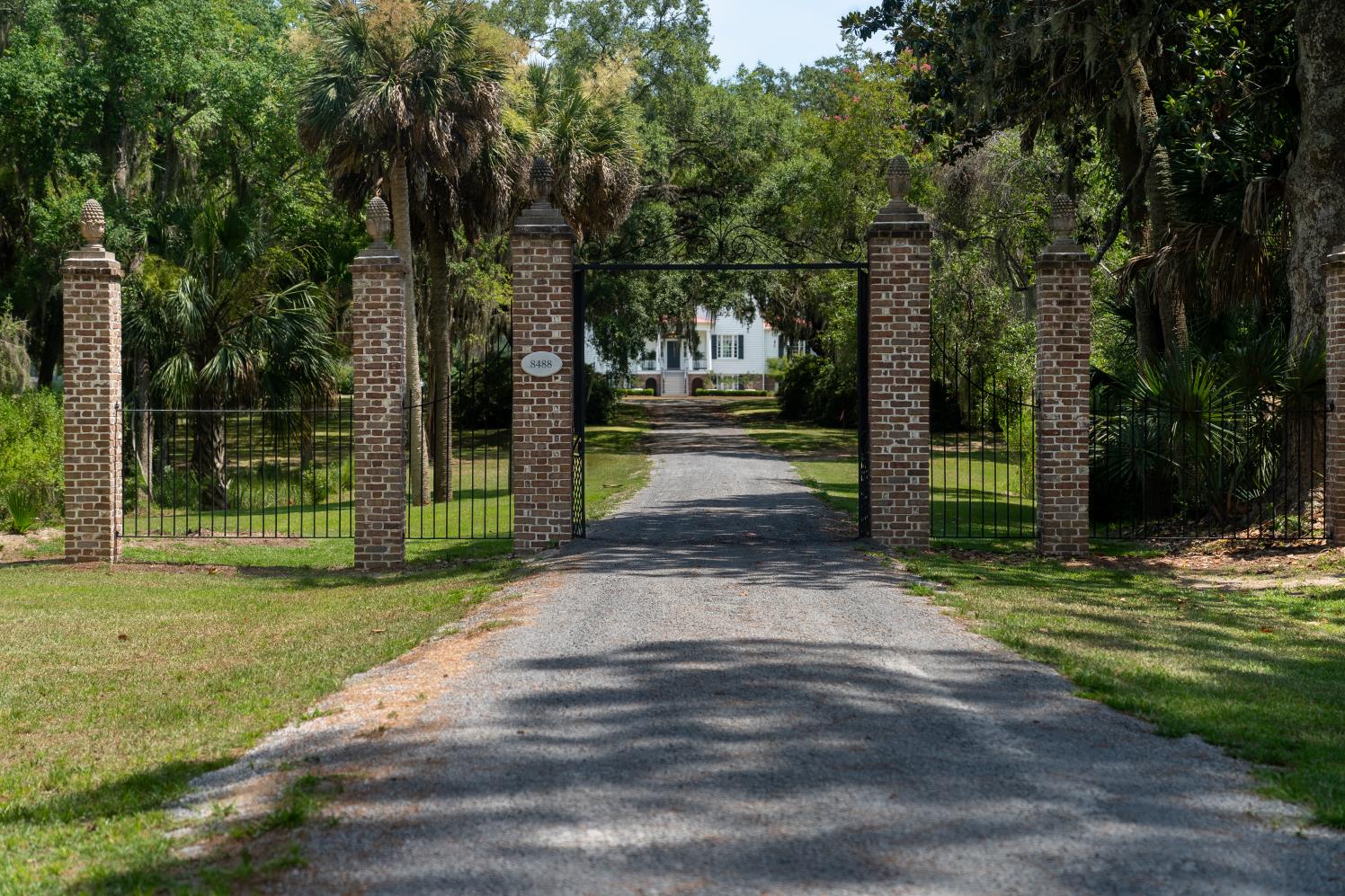
The land came first to a doctor, Robert Trail Chisolm, and from him to his daughter Susan. In 1828 she married Oliver Hering Middleton, a son of Governor Henry Middleton of Middleton Place, and the two of them built a house here quickly enough that a daughter was born under its roof in January 1830.
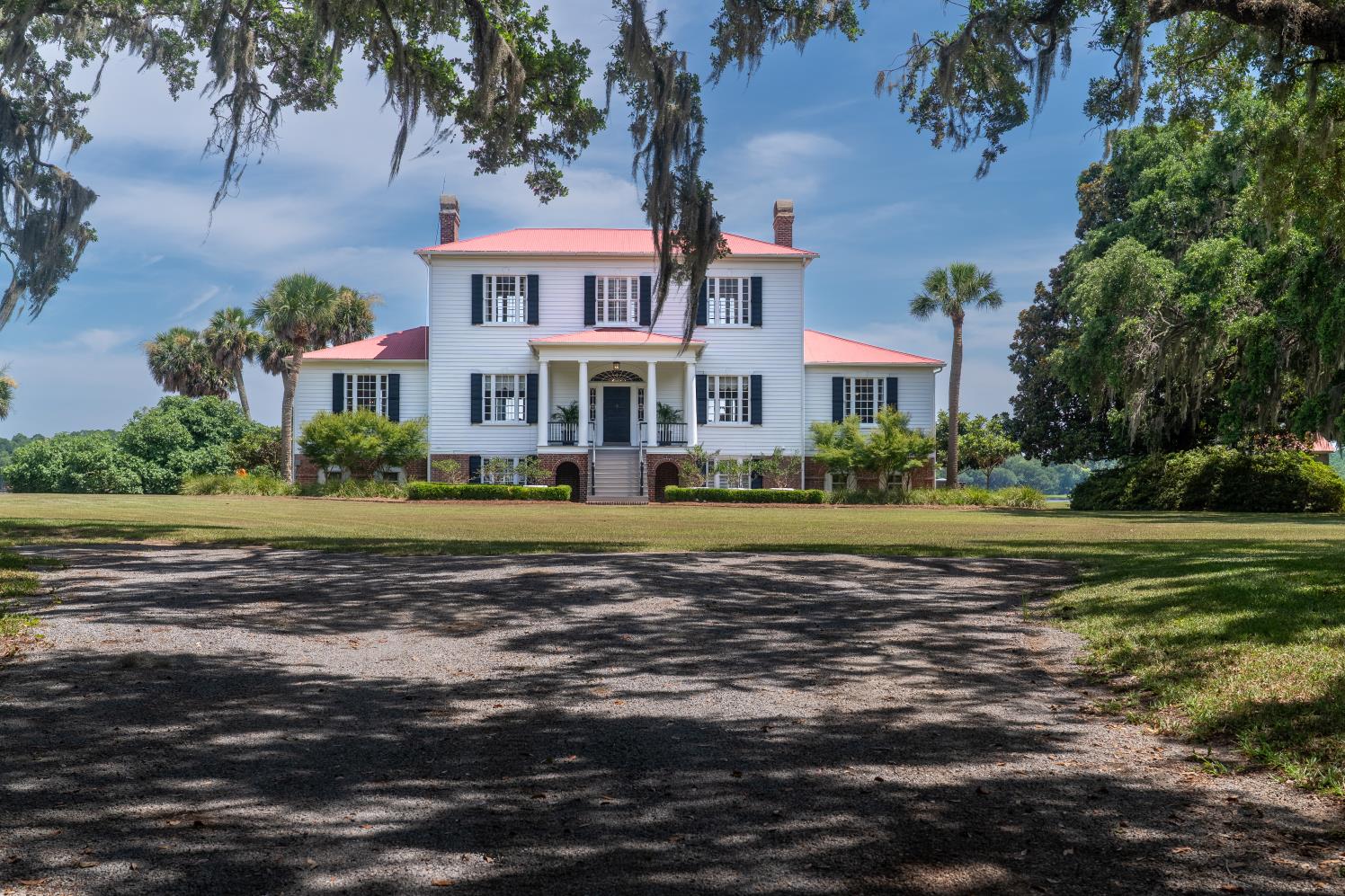
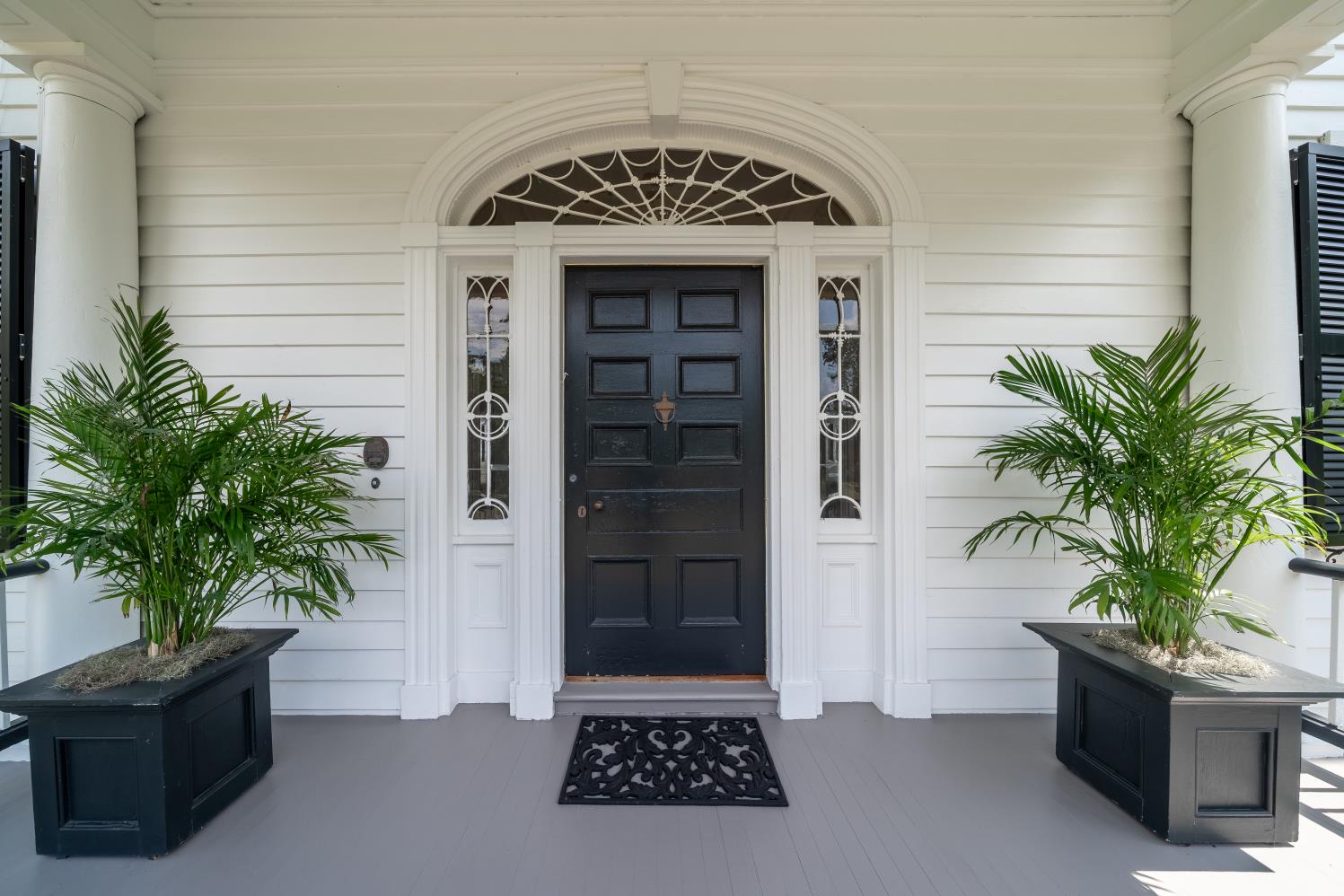
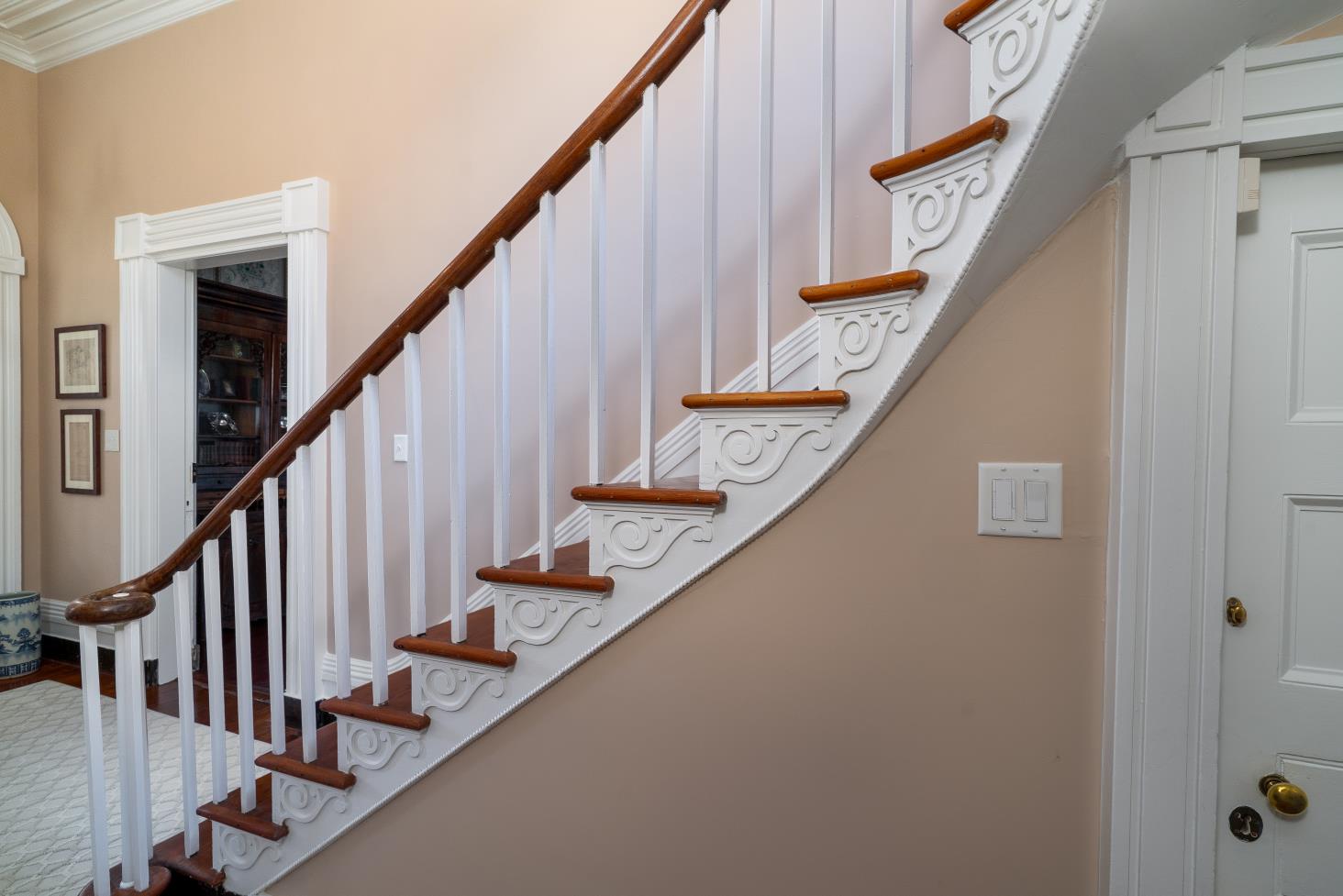
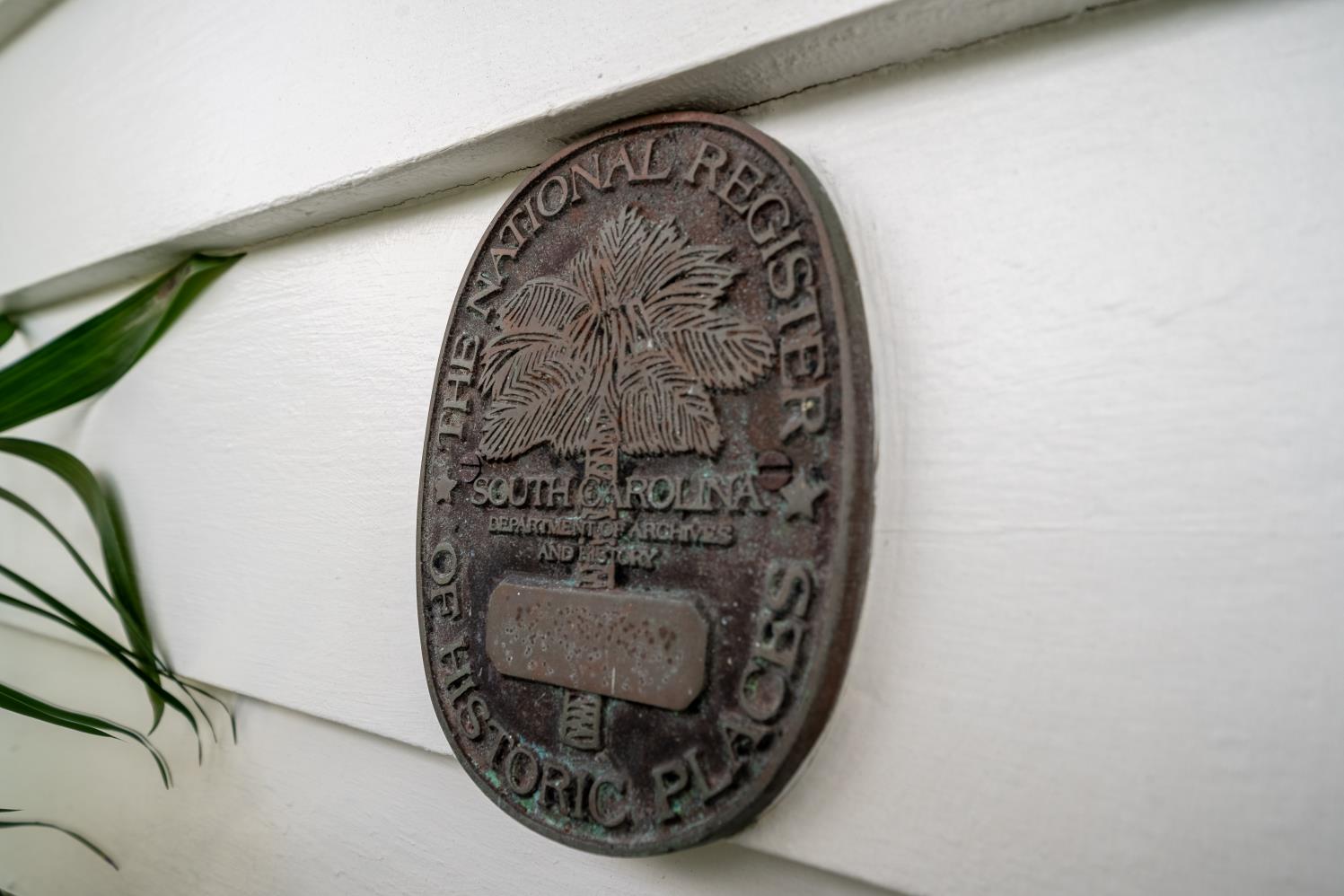
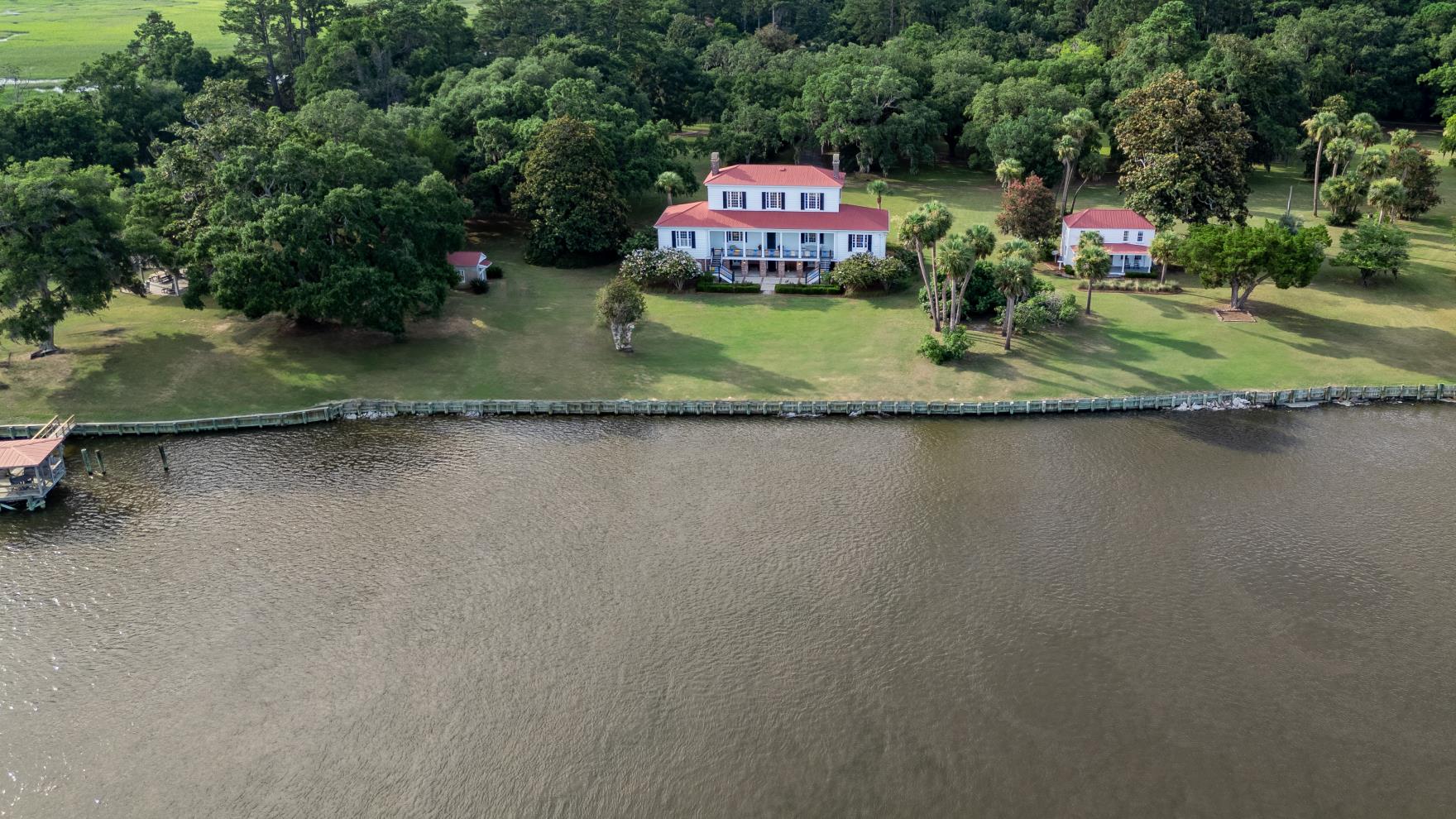
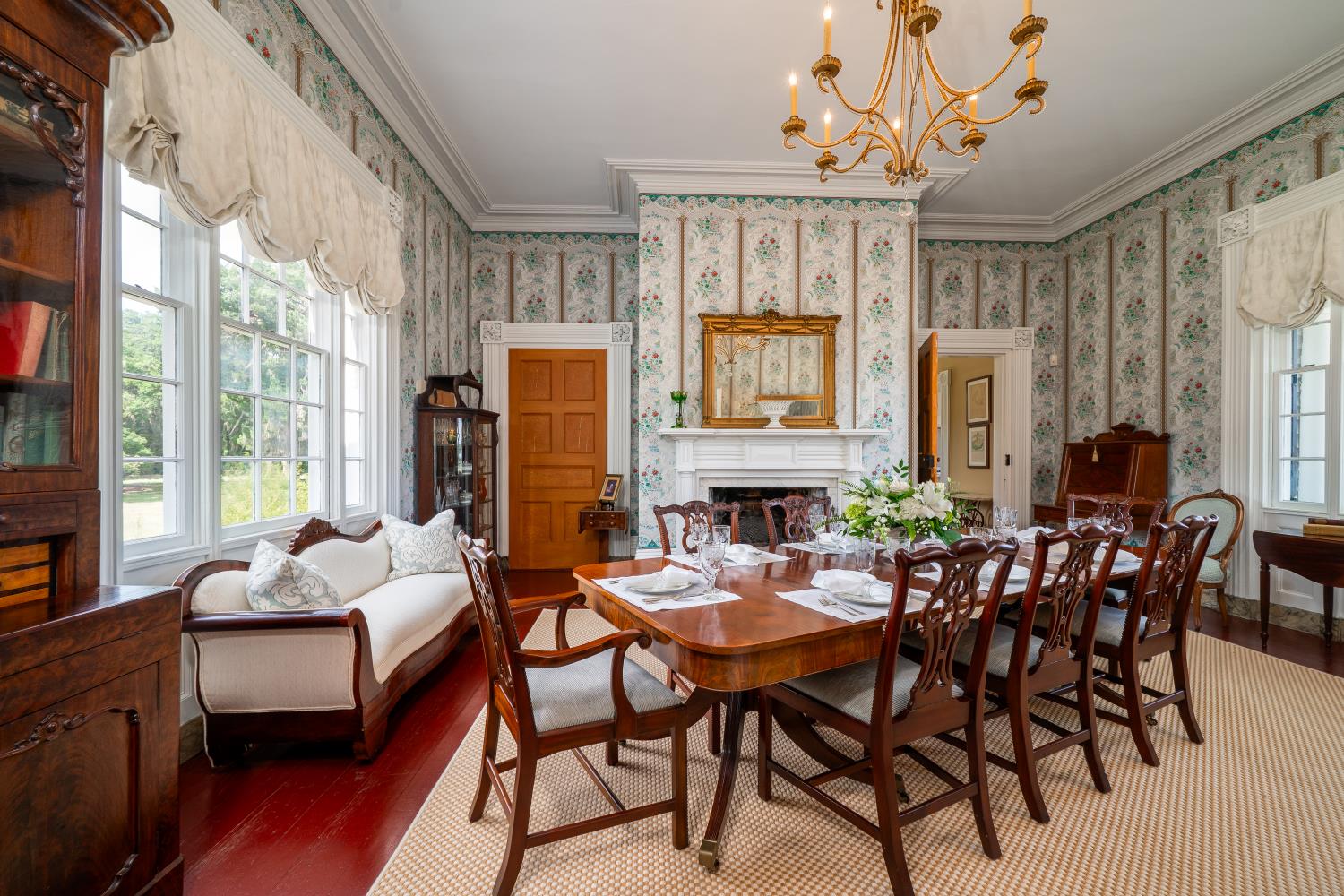
They built it the way the Lowcountry taught people to build: one room deep, raised on an arcaded brick basement laid in Flemish bond, a Tuscan porch at the land side and a long recessed porch facing the water, so every room could catch the breeze coming up off the creek. Palladian windows. A low hipped roof. When the National Register surveyed it in 1970, the house had barely changed since the day it was finished. The nomination called it a monument to the long run of Sea Island cotton.
That cotton is the part of the story the house can’t tell on its own. It was planted, picked and baled by enslaved people whose names the records rarely kept. The building now called the Cotton House is where those bales were dried and stored. The bell that called workers in from the fields still stands nearby.
The war came for the family too. Oliver and Susan’s son, also named Oliver, born in 1845, rode with the Charleston Light Dragoons and was killed at Matadequin Creek in Virginia on May 30, 1864. Susan died the next year. In 1866 the Freedmen’s Bureau returned the Edisto land to the elder Oliver, on the condition that he sign contracts with the freedmen and refugees living on it. He lived until 1892.
By 1902 a Dr. Jenkins Pope owned the place, and a Dr. William M. Pope still owned it when the house was nominated to the National Register in 1970. The little building across the yard is still called Dr. Pope’s office, and it still holds his equipment, the bottles and the doctor’s bag, as if he stepped out to see a patient and never came back.
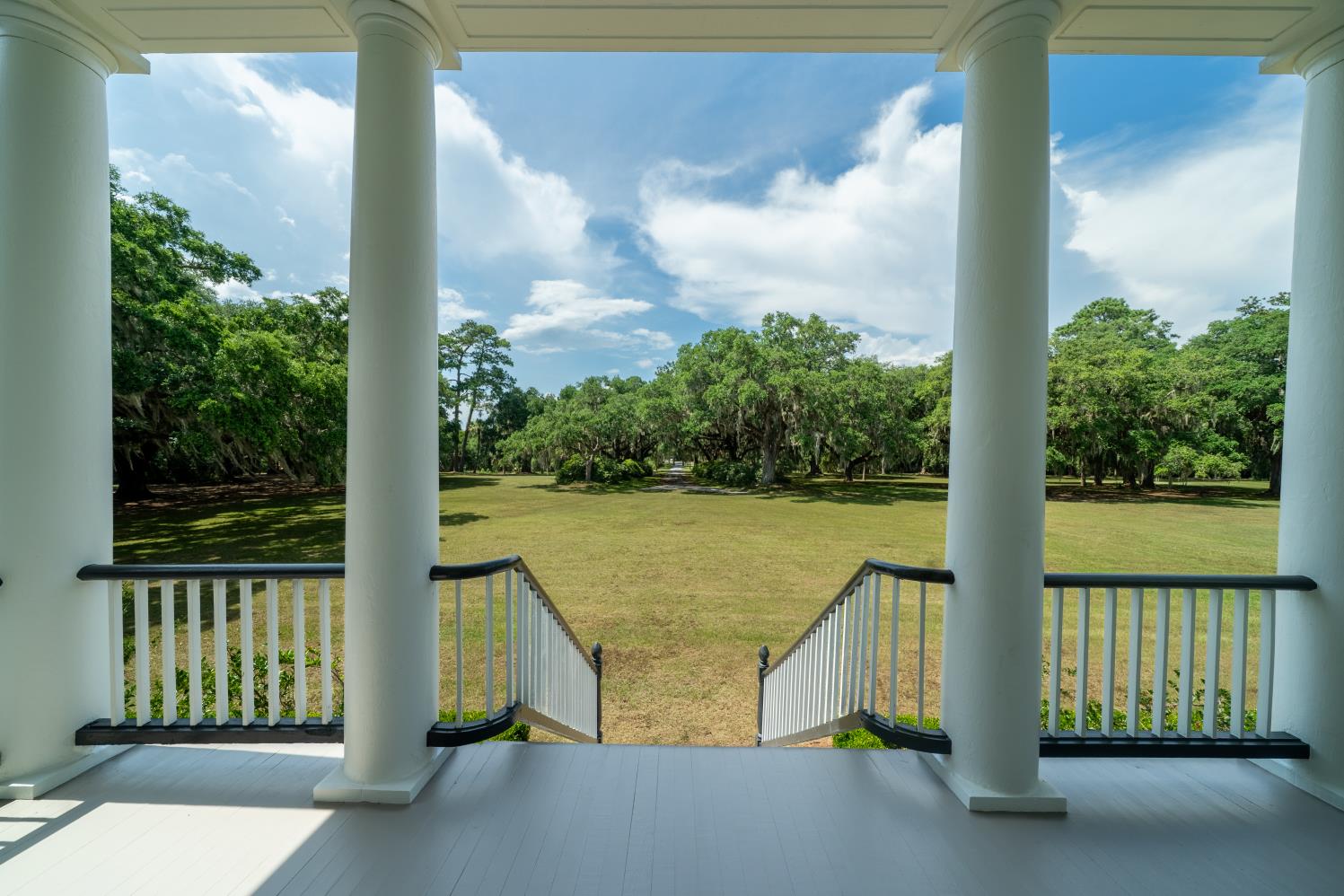
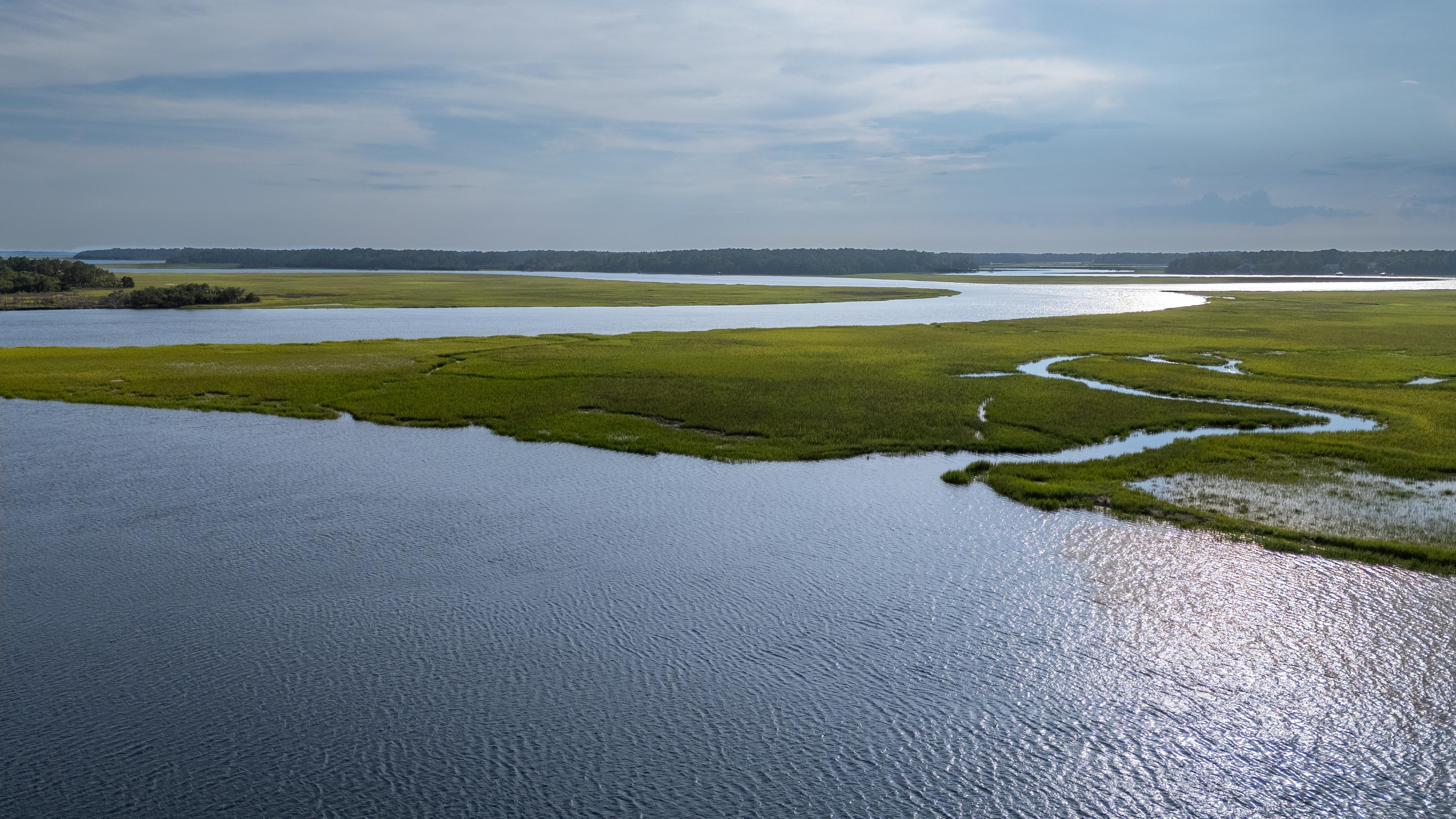
Today the house sits on just over nine acres, all that remains of a plantation that once ran to about 800. The Edisto Island Open Land Trust holds a conservation easement on it, part of some 600 acres the trust has protected along Store Creek, so the view from the water stays the way it is. There’s 535 feet of shoreline, a deepwater dock, the Cotton House taken apart and restored in 2008 with as much original wood as could be saved, and a pavilion with a brick fireplace for the long nights.
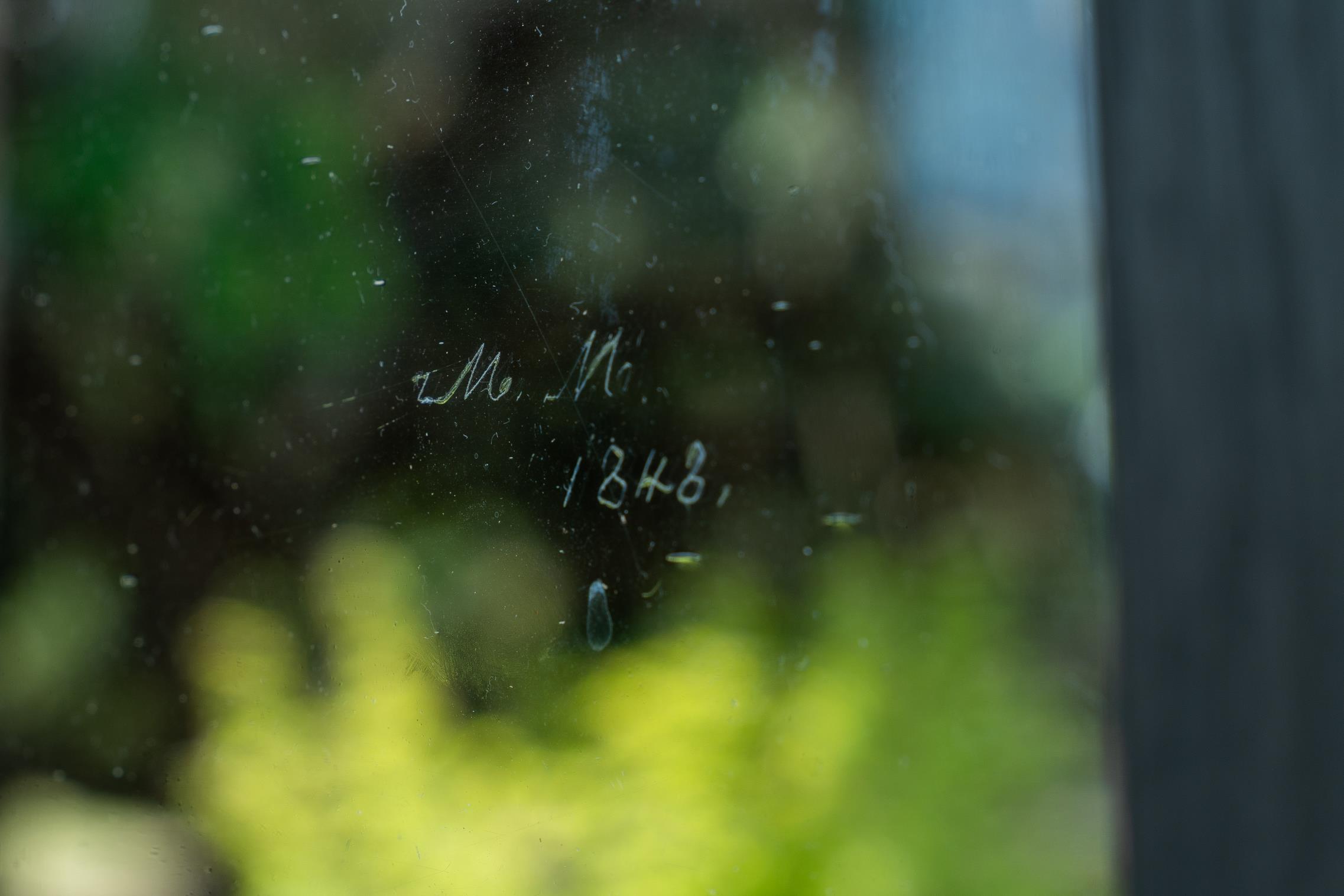
Van Leer Rowe of Carolina One listed it in 2025. Charlie Archambault, once the chief photographer for U.S. News & World Report, photographed and filmed it that July. A few days later Chris wrote to thousands of agents across the Carolinas about wind in the live oaks and sunlight through 200 year old glass. “We shot this property a few days ago,” he wrote, “and I’m still thinking about it.” Van Leer asked to use those words in her magazine ad. Some houses are like that. You leave, and the house comes with you.
What we made
A full Gold Elite production: photography of the house and grounds, a cinematic film, aerial photos and video, virtual twilight and the complete Marketing Kit with a property website.
Every listing has a story.
We’ve spent twenty years finding it, from Edisto Island to Lake Keowee. Photos, film, drone and 3D, shot by former agents who know what sells.
Book your shootPlan a builder project